Menu
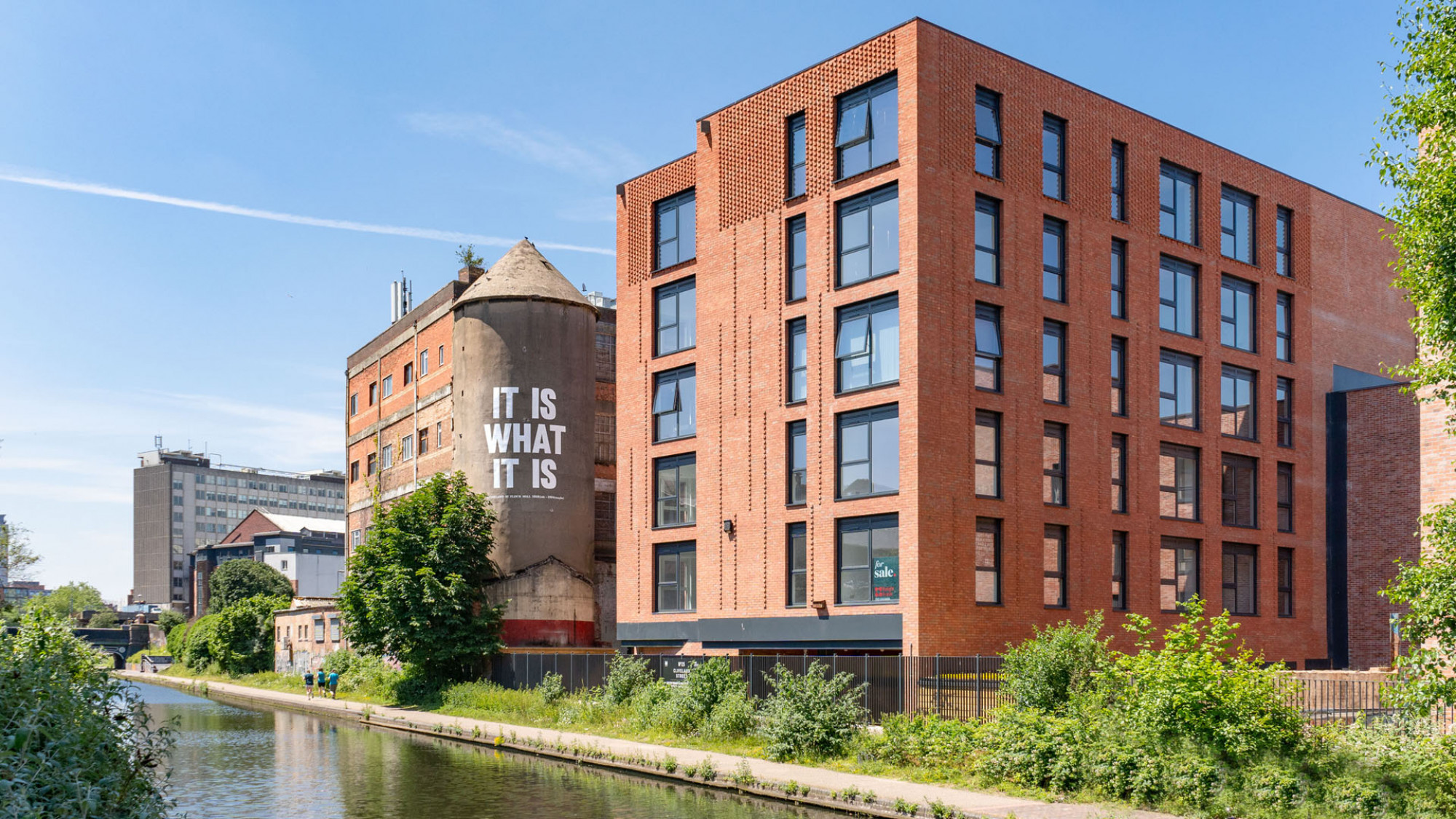
Forged from the industrial heartlands of Birmingham’s historic Gun Quarter, Cliveland Street delivers 52 crafted apartments that reflect the distinctive character of their surroundings.
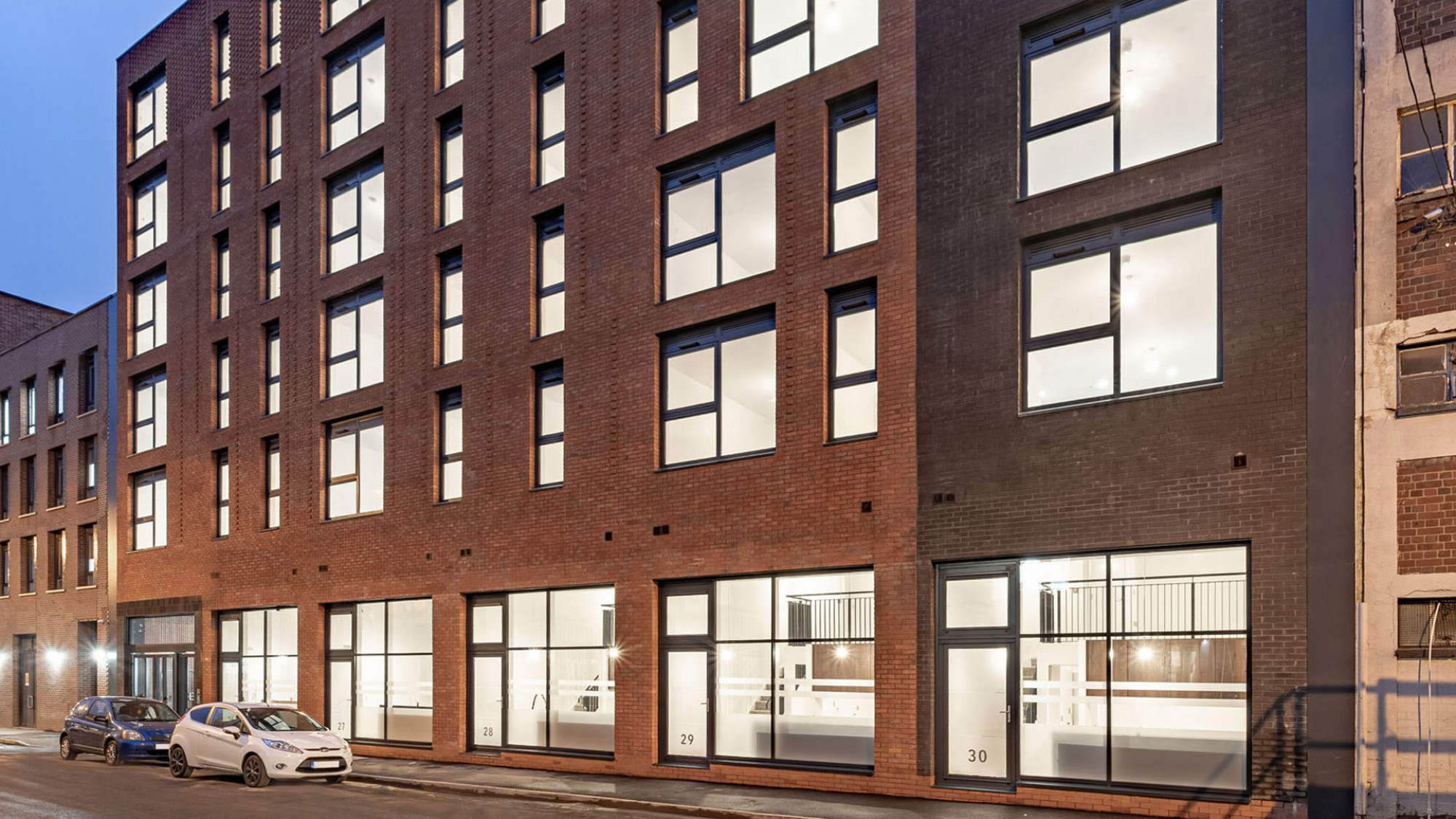
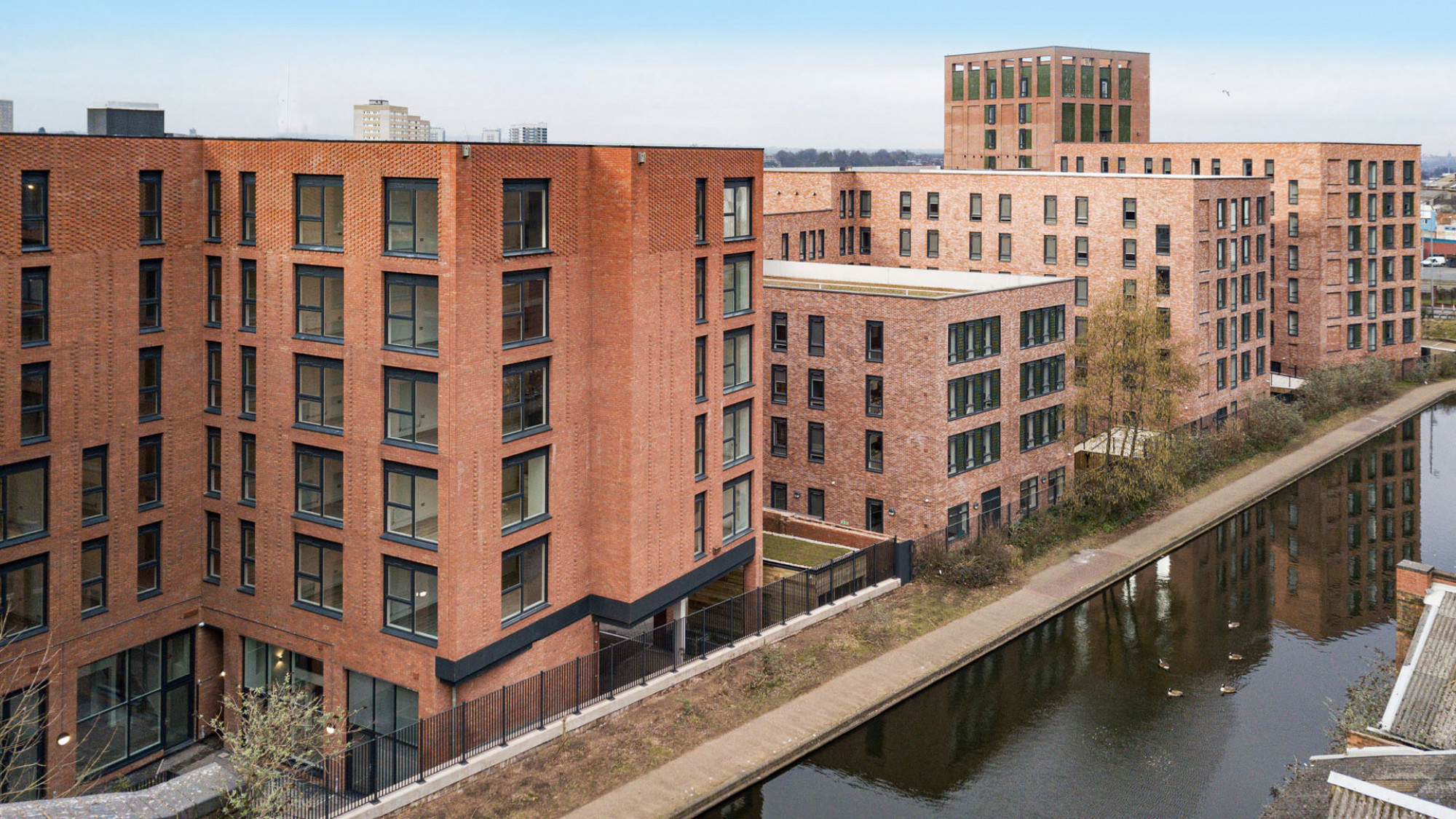
Cliveland Street delivers 52 apartments within Birmingham’s historic Gun Quarter, replacing a former ammunition factory with contemporary canal-side homes.
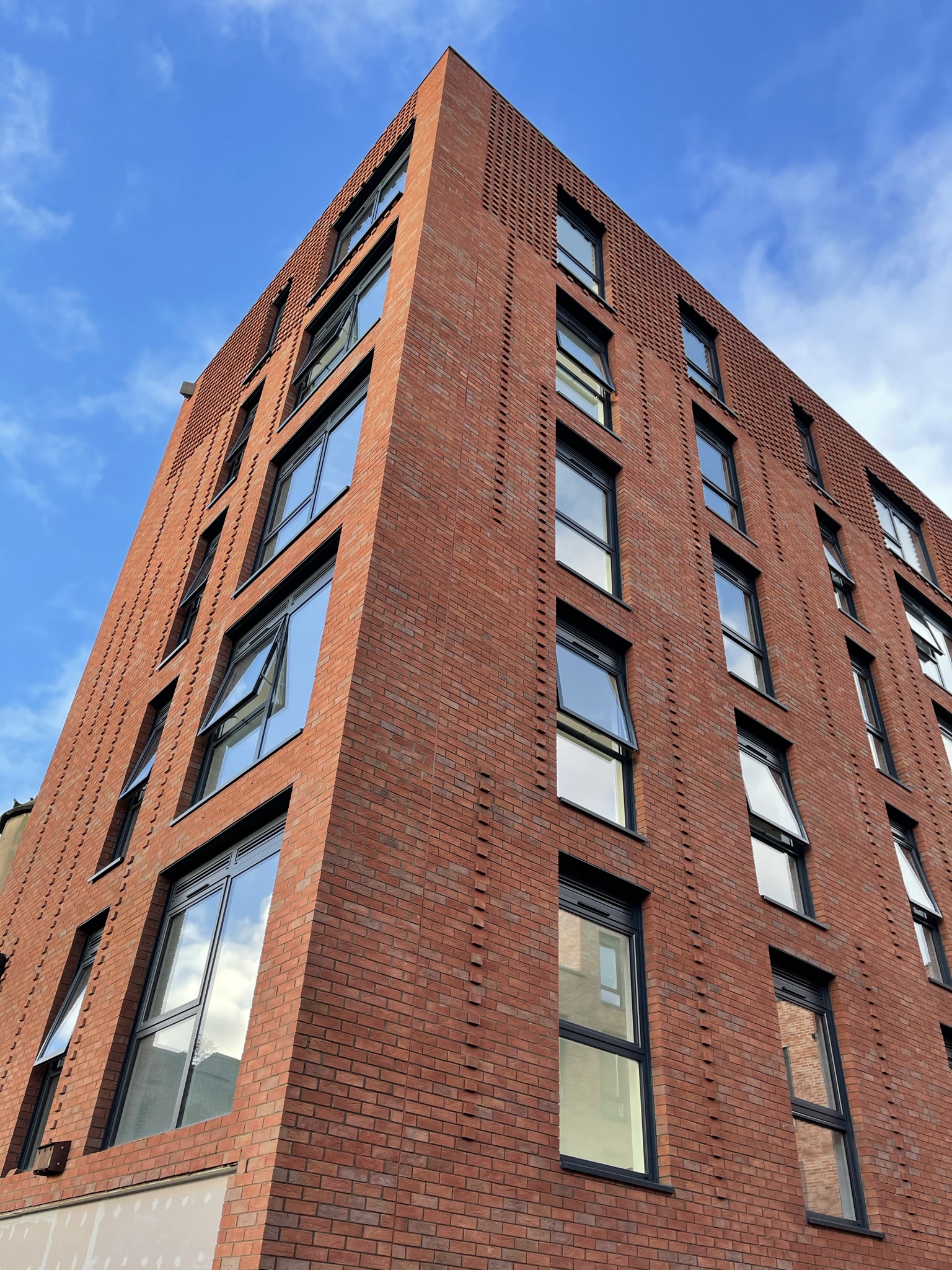
The development responds to the area’s manufacturing heritage through its materials and architectural character. Its design acknowledges the robust industrial setting while bringing new residential use to a brownfield site, contributing to the continued regeneration of the Gun Quarter.
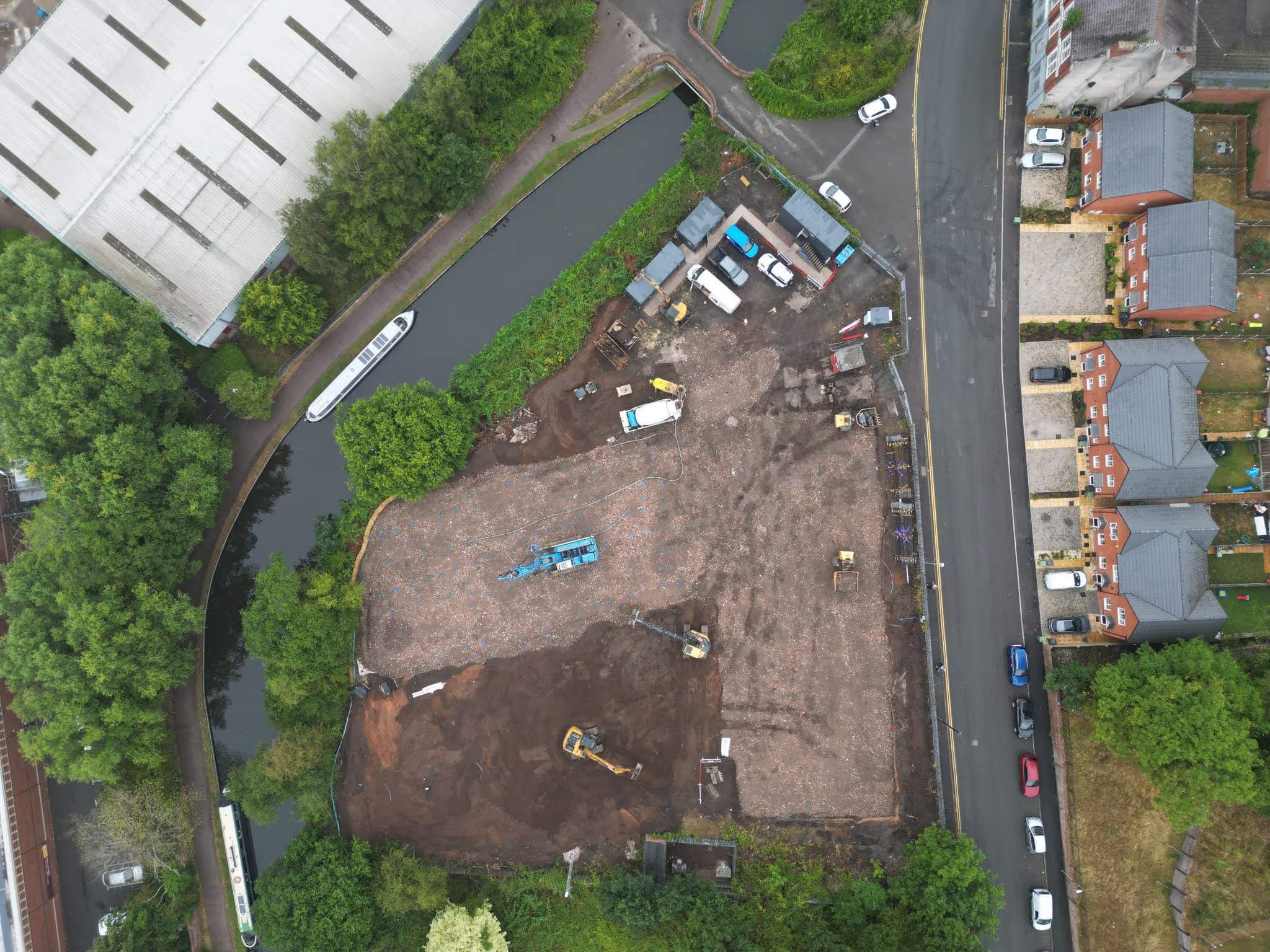
The canal forms a defining feature of the development, shaping both its setting and the engineering approach required to deliver the building.
Cliveland Street occupies the former site of an ammunition factory within Birmingham’s historic Gun Quarter. By the nineteenth century, the surrounding district had become a major centre of British gun manufacturing, supported by the city’s canal network.
The redevelopment introduces a new residential chapter for the plot, with its design drawing on the industrial character of the surrounding area.
The building’s ground floor sits below the adjacent canal water level, creating challenges associated with groundwater, lateral water pressure and ground retention.
Farrow Walsh developed a structural and retaining strategy that considered these conditions alongside pressures from the neighbouring towpath. The design addressed the protection of the building and the stability of the canal edge, while piled foundations provided support suited to the brownfield ground conditions.
A steel transfer structure at the lower levels supports the light gauge steel frame (LGSF) superstructure above.
Farrow Walsh coordinated this arrangement with the foundations and retaining works, accommodating differences between the lower-level layout and the apartments overhead. This gave the architectural design flexibility within the constraints of the canal-side site.
The completed scheme provides 52 canal-side apartments, bringing a former industrial plot into residential use within Birmingham’s Gun Quarter.
Residents benefit from a waterside setting within an established urban neighbourhood. The redevelopment adds new homes and activity to the area while maintaining a visual connection to the manufacturing character that makes this part of Birmingham distinctive.